

Event Marketing in Jordan: How to Turn Events Into Revenue in 2026
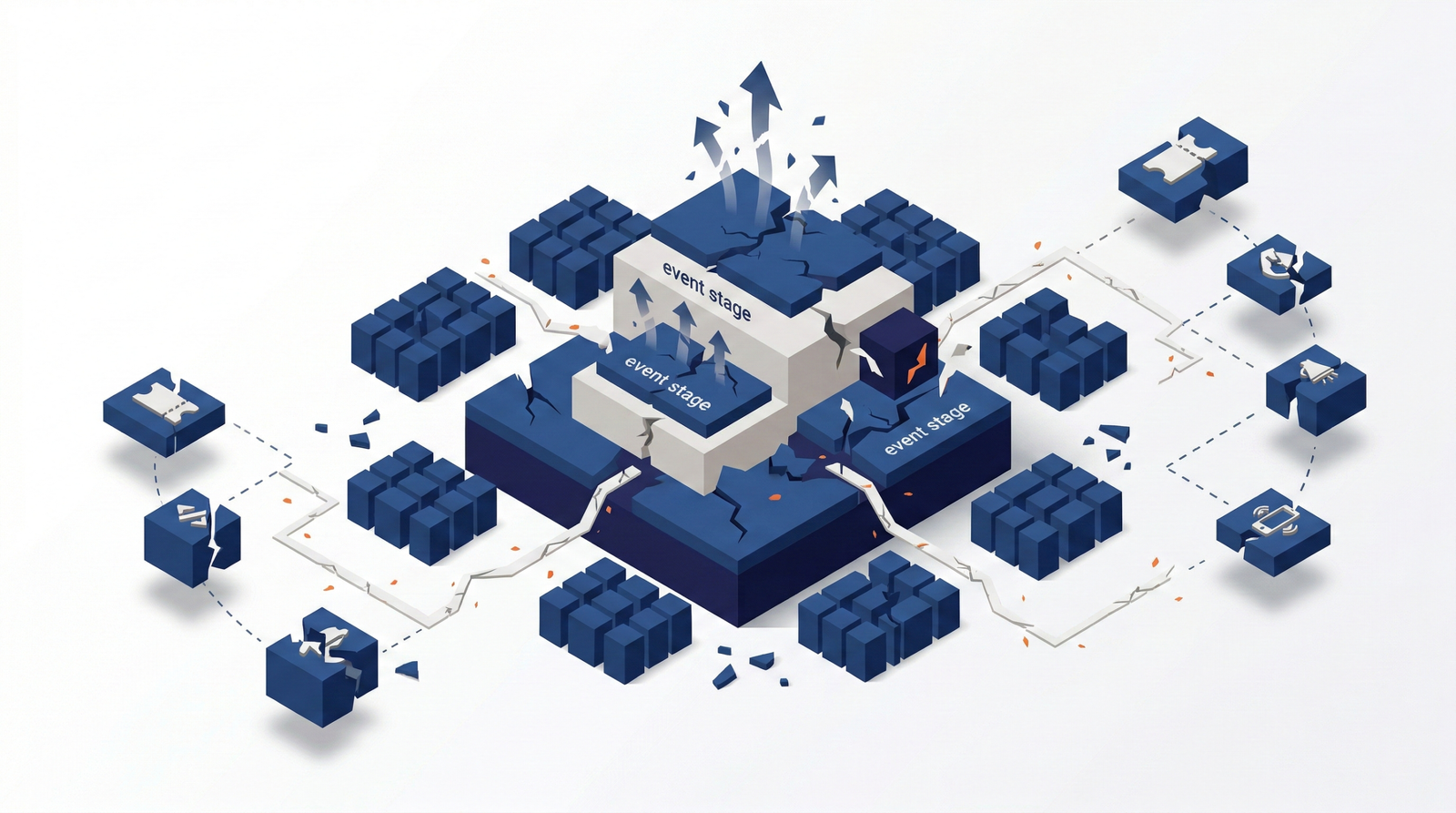
Event marketing is evolving rapidly in 2026. Companies are no longer organizing events for visibility alone; they are investing in measurable outcomes, qualified leads, and long-term brand positioning. Yet despite higher budgets and larger productions, many corporate events, conferences, exhibitions, and product launches still fail to generate sustainable revenue impact.
The core issue is not production quality. It is strategy. Businesses focus on logistics, stage design, and audience attendance, but neglect monetization architecture. Without a structured revenue model, event marketing becomes an expense rather than a growth engine.
In this guide, we break down how event marketing in Jordan can shift from cost center to revenue system — integrating sponsorship models, lead capture frameworks, marketing funnel alignment, and post-event monetization.
Why Most Events in Jordan Fail Financially
Across Amman and major business hubs, corporate events are increasing in scale. However, most event organizers measure success using surface metrics such as attendance numbers or social media impressions. These indicators do not directly translate into marketing ROI.
The most common structural mistakes include:
- No defined revenue objective before planning begins.
- Weak sponsorship monetization strategy.
- Limited data capture during registration.
- No CRM integration after the event.
- Absence of a post-event follow-up funnel.
When these elements are missing, event marketing in Jordan becomes an isolated campaign rather than a strategic growth mechanism.
The Revenue Shift: From Event Execution to Event Architecture
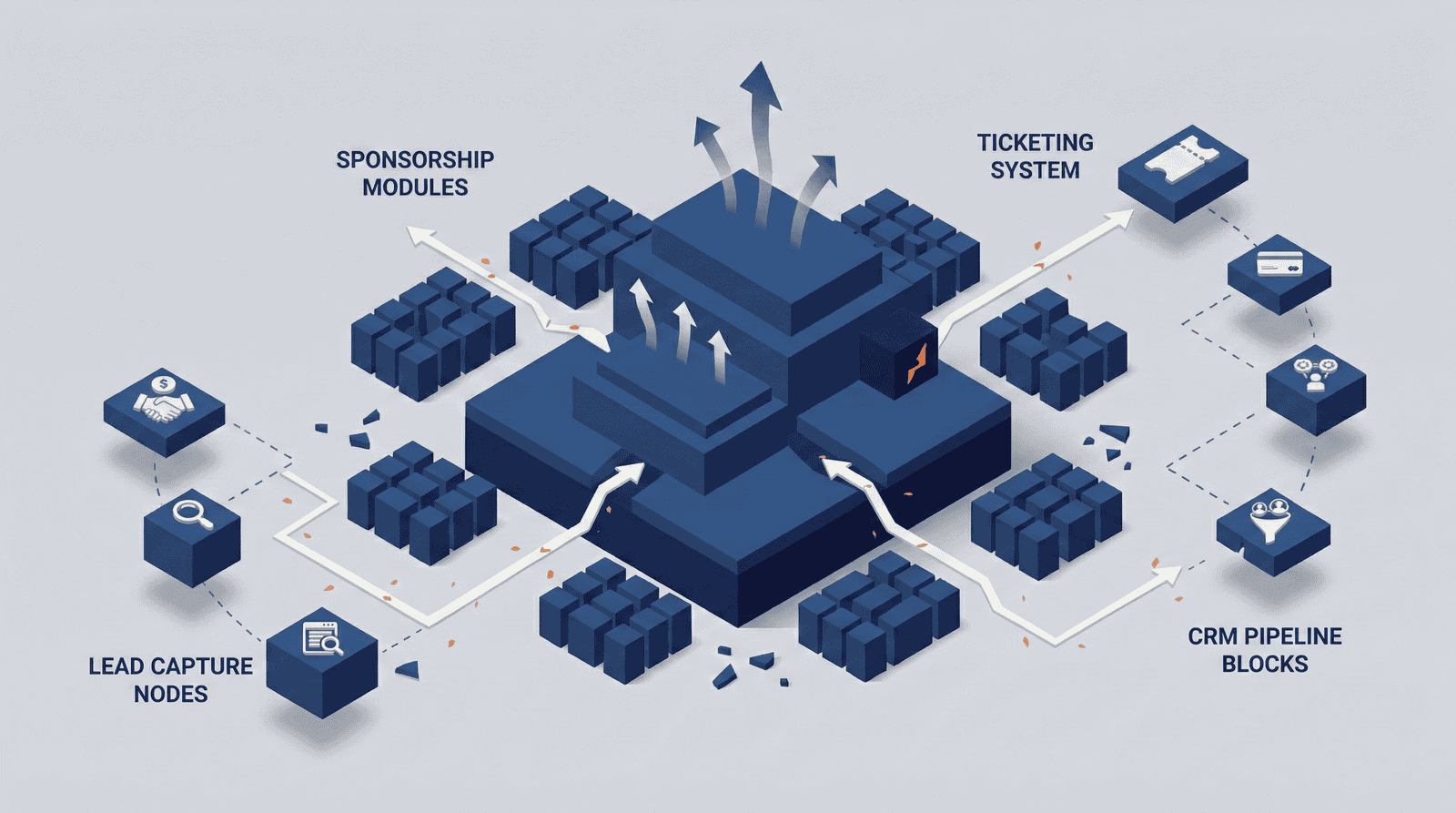
To transform event marketing into a revenue generator, companies must shift from execution mindset to architecture mindset. Architecture means designing the financial model before designing the stage.
A structured event revenue system includes:
- Sponsorship tiers aligned with brand positioning.
- Tiered ticket pricing strategy.
- Data monetization through segmented audience capture.
- Post-event sales integration.
- Long-term relationship nurturing systems.
This strategic transformation is what separates tactical event planning from sustainable event marketing in Jordan.
The Jordan Market Opportunity in 2026
Jordan’s corporate ecosystem is expanding. Business conferences, technology summits, governmental forums, and product launches are increasing in frequency. This growth creates opportunity — but only for organizations that approach events with structured monetization frameworks.
Event marketing is no longer limited to branding exposure. It now intersects with:
- Lead generation strategy.
- Authority positioning.
- Industry ecosystem building.
- Performance marketing integration.
- Strategic partnerships.
Companies that align their event execution with long-term digital marketing strategy gain measurable competitive advantage.
Lead Capture as the Core of Event Marketing in Jordan
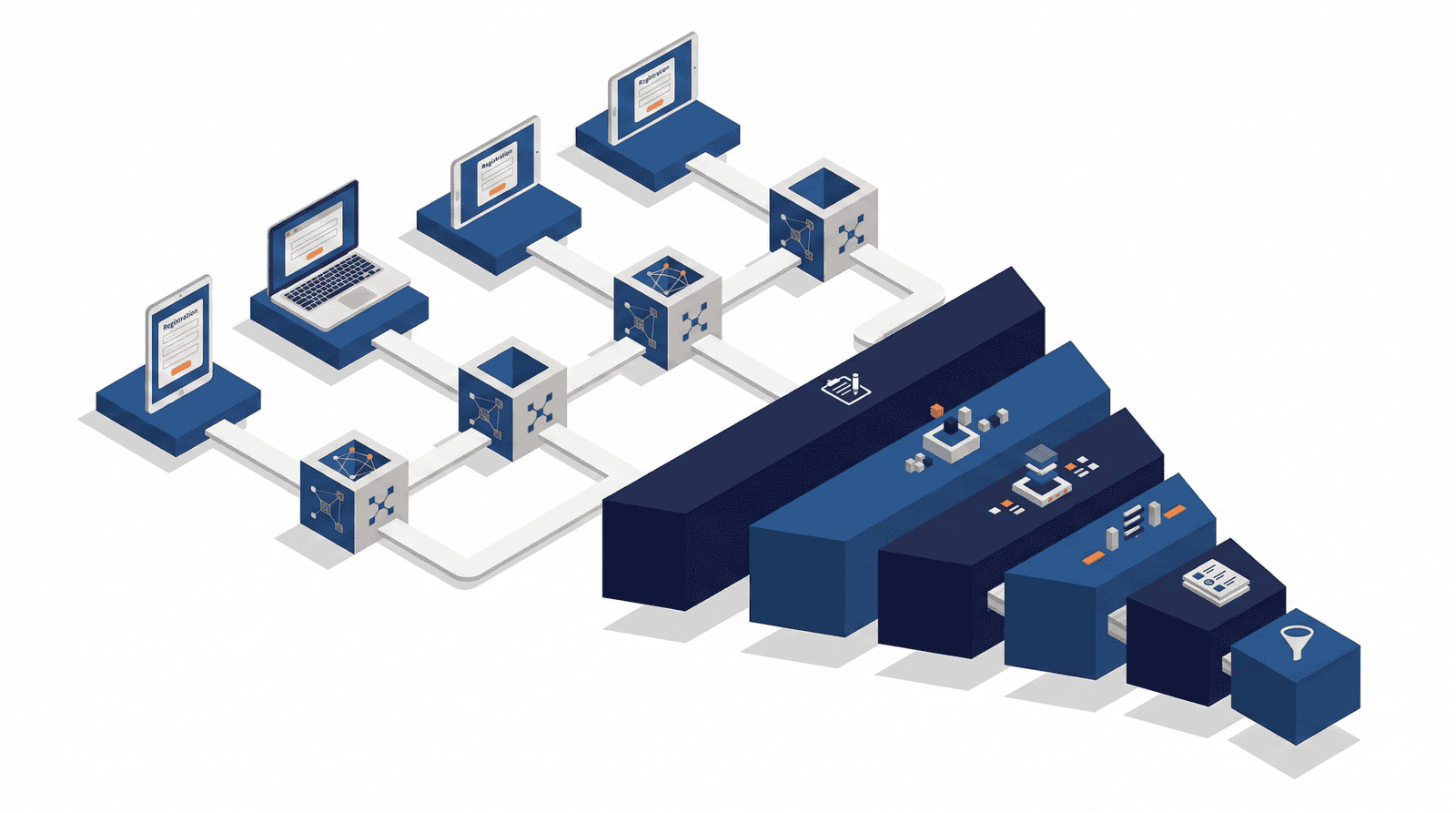
At the center of effective event marketing in Jordan lies structured lead capture. Registration forms, QR systems, badge tracking, and digital check-in must be connected to a centralized CRM pipeline.
Every attendee represents potential lifetime value. Without structured data collection, that value disappears once the event concludes.
Effective lead capture includes:
- Segmented registration forms.
- Industry-based attendee classification.
- On-site interaction tracking.
- Post-event engagement scoring.
Without these systems, event marketing produces exposure — not revenue.
Sponsorship Monetization Strategy in Event Marketing in Jordan
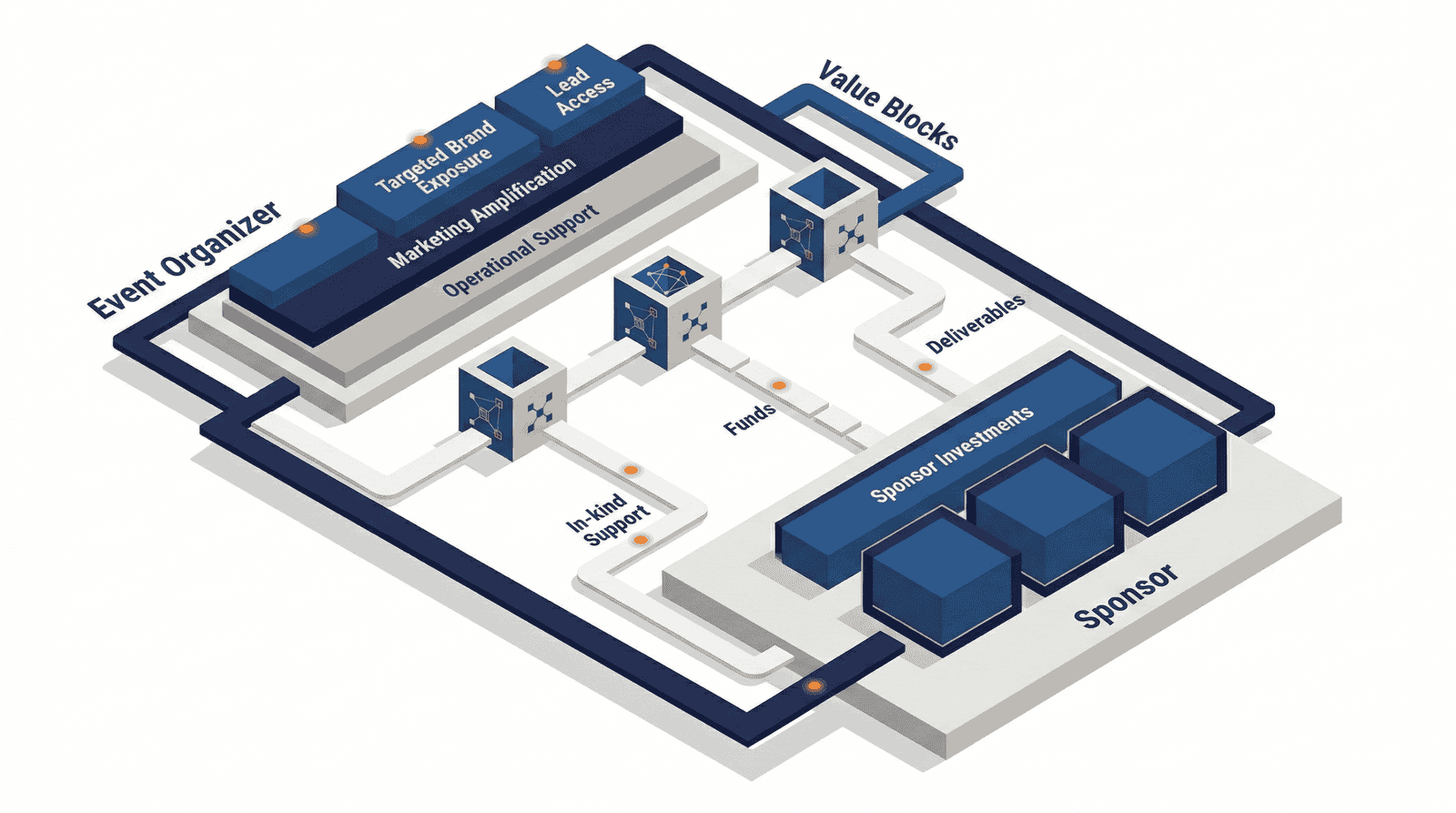
One of the strongest revenue pillars inside event marketing in Jordan is structured sponsorship design. Many organizers offer logo placement packages without defining sponsor ROI. In 2026, sponsors expect measurable exposure, qualified introductions, and post-event reporting.
A high-performance sponsorship framework includes:
- Tiered visibility with quantified audience reach.
- Dedicated speaking slots aligned with target segments.
- Data-sharing agreements within compliance boundaries.
- Post-event performance dashboards.
- Integrated digital amplification before and after the event.
When sponsorship packages are aligned with measurable outcomes, event marketing in Jordan transitions from exposure selling to value selling. This increases sponsor retention and elevates event profitability year after year.
Ticketing Strategy and Revenue Layering
Pricing strategy directly impacts financial performance. Event marketing in Jordan benefits from layered ticket architecture rather than single-price entry models. Structured pricing signals perceived value and attracts different audience tiers.
Revenue layering techniques include:
- Early-bird incentive pricing.
- VIP experience packages.
- Corporate bulk registrations.
- Exclusive networking access tiers.
- Post-event digital replay access monetization.
Layered ticketing strengthens cash flow before the event occurs, reducing operational risk and stabilizing marketing budget allocation.
Integrating Event Marketing in Jordan with Digital Marketing Strategy
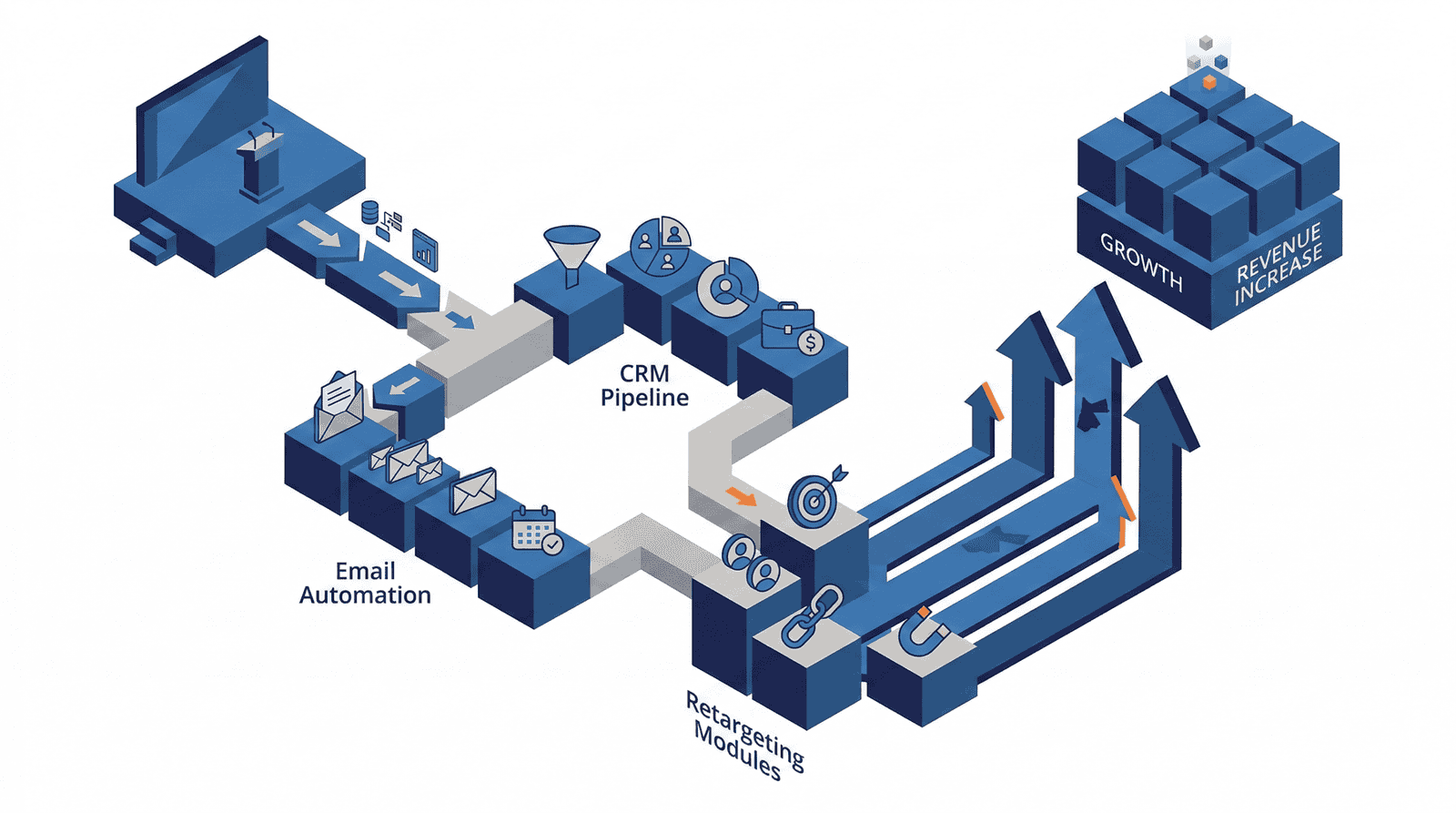
High-impact event marketing must be connected to broader digital marketing strategy systems. An event should never operate in isolation. It should function as a strategic funnel accelerator.
Before the event:
- Targeted advertising campaigns build segmented attendee pools.
- Authority content positions the event as industry-leading.
- Email sequences nurture pre-registered audiences.
After the event:
- Retargeting campaigns extend engagement.
- CRM pipelines convert leads into structured opportunities.
- Content repurposing increases long-term search performance.
Businesses seeking structured integration between event execution and digital growth can explore our digital marketing services to ensure event investments convert into measurable outcomes.
Operational Execution and Strategic Event Management

Operational precision enhances brand credibility. Event marketing in Jordan depends on seamless logistics, technical production quality, and structured coordination. From stage design to LED infrastructure and multi-camera production, execution quality influences perceived authority.
For organizations seeking full-scale execution expertise aligned with strategic outcomes, partnering with specialized event production teams such as Dot Event ensures professional production standards while maintaining revenue-focused architecture.
When execution quality and monetization design align, event marketing in Jordan becomes predictable, scalable, and financially measurable.
Advanced ROI Modeling for Event Marketing in Jordan
To evaluate event marketing properly, organizations must move beyond surface metrics and adopt structured ROI modeling. Revenue impact should be calculated across three layers: direct income, assisted revenue, and long-term pipeline value.
A practical ROI framework includes:
- Direct Revenue: Ticket sales, sponsorship income, exhibition booth fees.
- Pipeline Value: Qualified leads generated during the event.
- Brand Equity Multiplier: Long-term positioning impact and authority growth.
If a conference generates 400 qualified attendees and 10% convert into sales conversations, the financial impact extends far beyond event-day revenue. This is where event marketing in Jordan transitions from cost-based thinking to investment-based modeling.
Corporate Scenario: Technology Summit in Amman
Consider a technology summit hosted in Amman targeting mid-to-large enterprises. The event budget equals 60,000 JOD. Without structured planning, the organizer may rely solely on sponsorship fees to break even.
With structured event marketing in Jordan, the same summit can generate:
- 35,000 JOD in sponsorship revenue.
- 20,000 JOD in ticket revenue.
- 150 qualified B2B leads captured digitally.
- Long-term partnership agreements with ecosystem partners.
If 12% of those leads convert within 6 months at an average deal value of 8,000 JOD, pipeline influence exceeds 140,000 JOD — transforming event performance completely.
This demonstrates how structured event marketing in Jordan compounds value beyond immediate revenue streams.
KPI Mapping for Event Marketing
Clear KPI mapping ensures accountability. Effective event marketing tracks performance across operational and strategic layers:
- Cost per attendee acquisition.
- Lead-to-opportunity conversion rate.
- Sponsor retention rate.
- Customer acquisition cost reduction.
- Lifetime value growth.
- Post-event engagement metrics.
When KPIs are mapped before the event launches, decision-making becomes data-driven rather than reactive.
Building an Event Ecosystem, Not a One-Time Campaign
The most successful companies treat event marketing in Jordan as an ecosystem rather than an isolated activity. Annual events build community authority, industry positioning, and recurring sponsorship networks.
Ecosystem-based approach includes:
- Quarterly thematic events tied to strategic messaging.
- Consistent industry partnerships.
- Content repurposing for long-term SEO value.
- Community-building through segmented engagement funnels.
Over time, this structured strategy stabilizes revenue projections and strengthens brand authority within the Jordanian market.
Strategic Consolidation: Turning Event Marketing Into a Scalable Revenue System
When structured correctly, event marketing becomes more than an annual initiative. It evolves into a repeatable revenue engine. The difference between occasional event execution and strategic event monetization lies in integration.
True scalability requires alignment between:
- Pre-event demand generation campaigns.
- On-site data capture systems.
- CRM-driven lead nurturing workflows.
- Performance marketing retargeting strategies.
- Long-term sponsor relationship building.
When these components operate together, event marketing in Jordan no longer depends on single-day performance. Instead, it compounds business value across quarters and fiscal cycles.
Organizations seeking structured event growth aligned with digital performance strategy can combine production execution from Dot Event with integrated digital growth frameworks through digital marketing services to ensure measurable ROI across the full lifecycle.
For strategic consultation and customized event revenue modeling, you can initiate the process through our contact page .
FAQ: Event Marketing in Jordan
What is event marketing in Jordan?
Event marketing in Jordan refers to the strategic use of conferences, exhibitions, summits, and corporate gatherings to generate measurable revenue, qualified leads, and long-term brand positioning within the Jordanian market.
How does event marketing in Jordan generate revenue?
Event marketing in Jordan generates revenue through structured sponsorship packages, tiered ticket pricing, data-driven lead capture systems, and post-event sales integration aligned with CRM pipelines.
Why do many companies fail at event marketing in Jordan?
Many companies fail at event marketing in Jordan because they focus on production and attendance metrics rather than revenue architecture, sponsorship modeling, and integrated digital follow-up systems.
Is event marketing in Jordan suitable for B2B companies?
Yes, event marketing in Jordan is highly effective for B2B companies when structured around qualified audience targeting, segmented lead capture, and post-event relationship nurturing strategies.
How long does it take to see ROI from event marketing in Jordan?
ROI from event marketing in Jordan can begin during the event through direct revenue streams, but full financial impact typically develops over several months through structured pipeline conversion and partnership growth.
Can event marketing in Jordan reduce customer acquisition cost?
Yes, event marketing in Jordan reduces customer acquisition cost when integrated with digital marketing systems that convert event attendees into long-term customers through structured follow-up funnels.
What industries benefit most from event marketing in Jordan?
Technology, financial services, governmental institutions, real estate developers, and enterprise solution providers benefit most from event marketing in Jordan due to high-value networking and partnership potential.